Day-to-Dusk Twilight Photos: Why Listings With Them Sell Faster in 2026
A day-to-dusk edit turns a flat daytime exterior into a glowing twilight hero shot in one click — the most clicked photo style in real estate, no reshoot.
Munib Ali Laghari
Founder & Lead Developer
Quick answer
Do day-to-dusk twilight listing photos help a home sell faster?
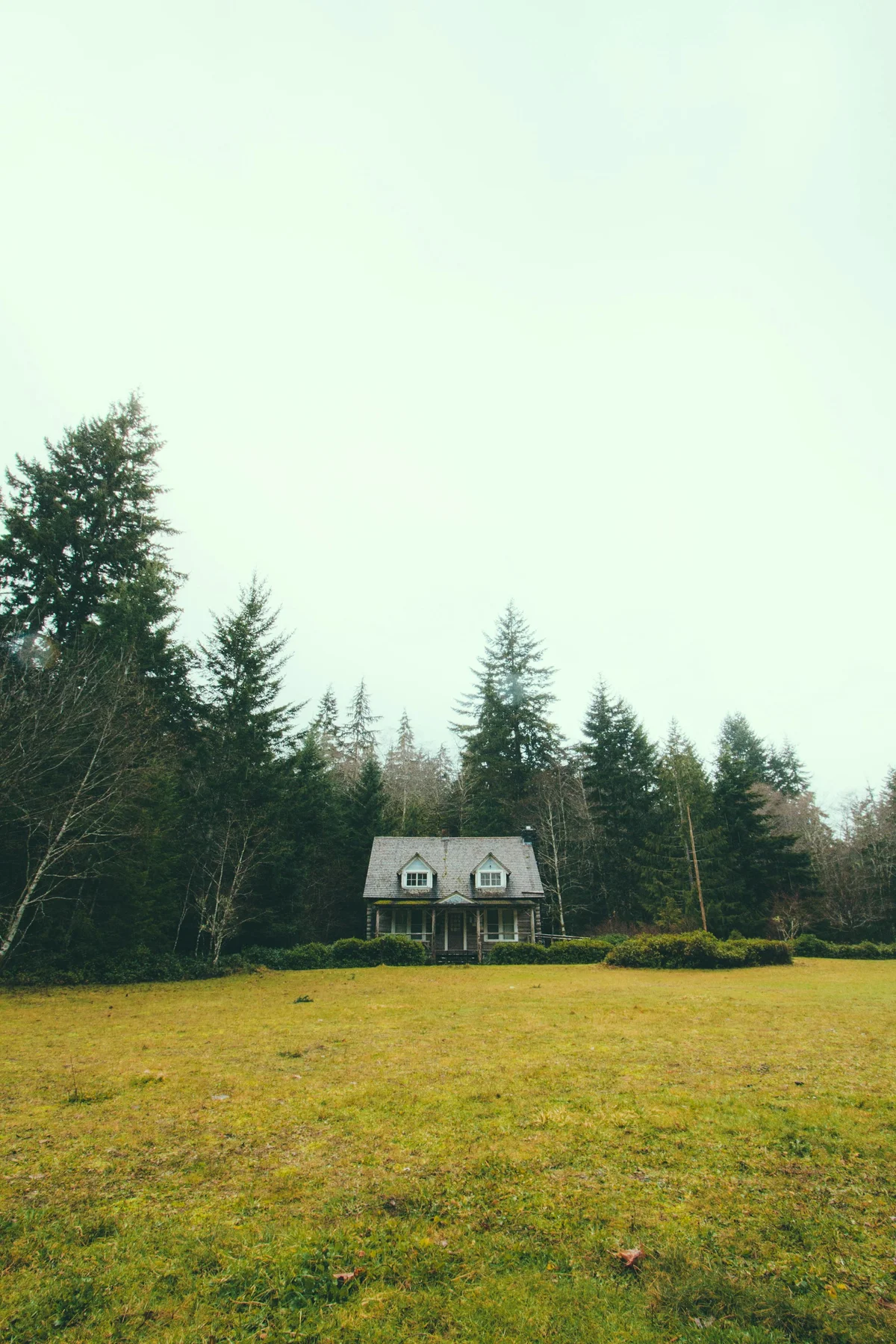
Day-to-dusk editing turns a daytime exterior into a twilight hero shot with a glowing sky and warmly lit windows — the most eye-catching image in a listing gallery. Standout, professional photography is consistently tied to homes selling faster, and twilight is its premium form. EnhanceCraft creates it in one click from a daytime photo, keeping the building pixel-for-pixel.
Before
After
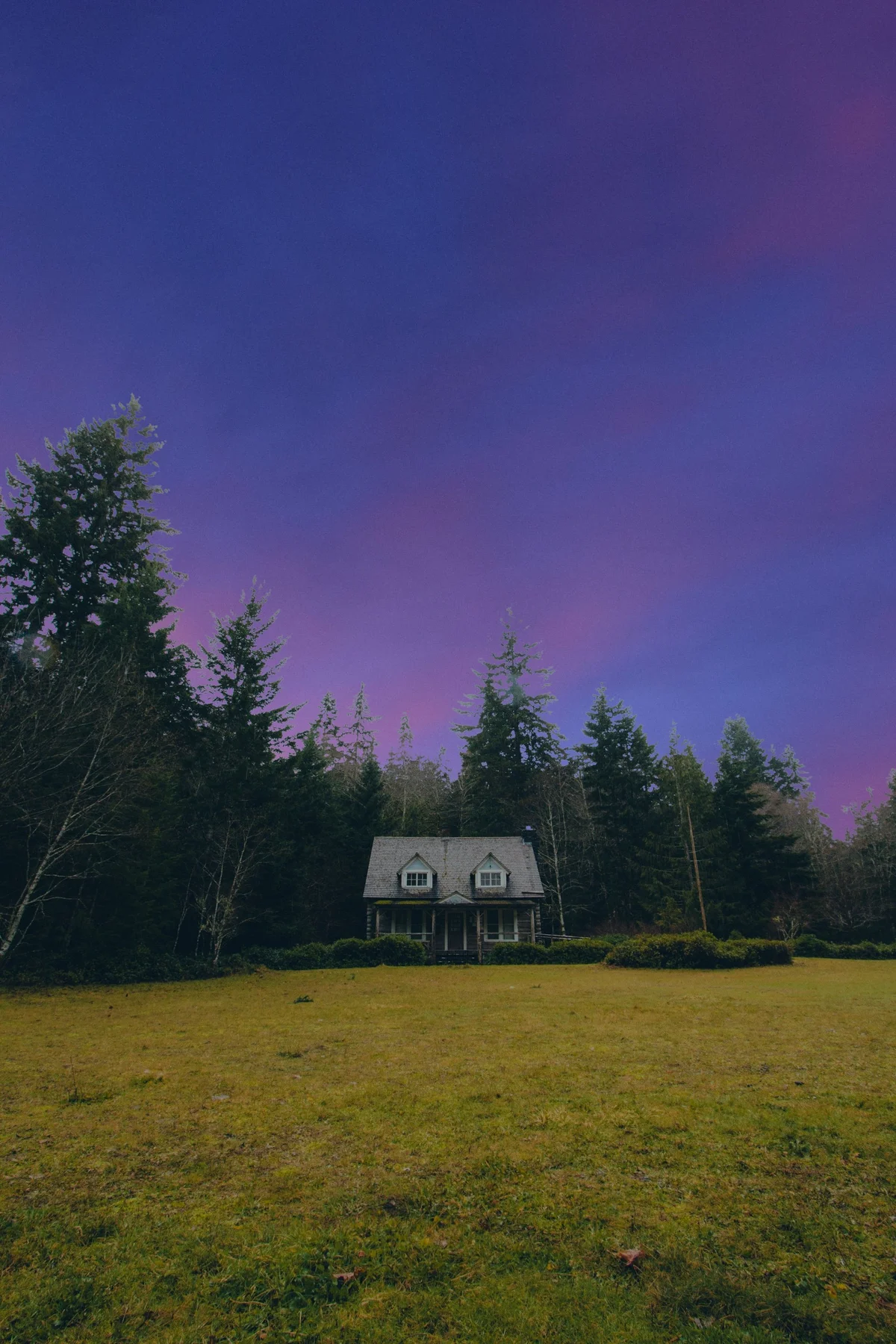
More examples like this: browse before & after results across every tool.
A day-to-dusk edit turns a flat daytime exterior into a twilight hero shot — a deep, glowing sky, warm light spilling from the windows, and a home that looks lived-in and inviting. It is the most eye-catching image in any listing gallery, and standout photography is consistently tied to homes selling faster and for more. The problem has always been getting the shot: a real twilight photo means waiting for a 20-minute window after sunset, with the crew, the lights, and the homeowner all on standby.
You scheduled the exterior shoot for golden hour, then the clouds rolled in, or the client could only do mid-morning, or you simply had three other properties to shoot the same day. So you got a clean daytime exterior — perfectly good, but it scrolls right past on a portal full of brighter, warmer hero images. Reshooting at dusk means another trip, another evening, another coordination headache.
Day-to-dusk editing removes that trade-off. Instead of chasing the perfect 20 minutes, you take the daytime photo you already have and convert it to twilight — a rich dusk or blue-hour sky, evening light across the whole scene, and a warm glow switched on in the windows. This guide explains why twilight photos move listings faster, how AI day-to-dusk works, how to keep the result believable and compliant, and how to do it across a whole shoot at once.
What Are Day-to-Dusk (Virtual Twilight) Photos?
Day-to-dusk photos — also called virtual twilight — are daytime exterior shots edited to look as if they were taken in the soft light just after sunset. The sky becomes a warm dusk or cool blue-hour gradient, the overall scene is regraded to evening tones, and the windows are lit with a warm interior glow. The building, rooflines, and landscaping stay exactly as they were photographed; only the light and sky change.
Twilight is the most sought-after premium look in real estate photography because it does three things at once: it adds drama and depth behind the architecture, it makes a home feel warm and occupied rather than empty, and it signals to buyers that this is a cared-for, professionally marketed listing. Traditionally you could only get it by shooting on location at dusk. Virtual twilight delivers the same hero image from a daytime capture, which is why it has become a standard add-on in listing packages.
Do Twilight Listing Photos Really Help a Home Sell Faster?
Yes — indirectly but consistently. There is no single number that isolates "twilight" from every other variable, but the evidence on standout, professional photography is strong, and twilight is its premium form. Homes that were professionally photographed sold 32% faster — an average of 89 days on market versus 123 — in VHT Studios' analysis of homes sold across the Chicago metro. The mechanism is simple: better photos earn more clicks, more clicks earn more showings, and more showings shorten time on market.
The hero image carries most of that weight because it is the thumbnail a buyer sees first in search results — the one image that decides whether they click in or keep scrolling. Photo quality is measurable here too. In Redfin's study of professionally photographed listings, homes around the $400,000 mark sold about three weeks faster, and the sharpest 10% of listing photos sold at or above list price 44% of the time, versus just 13% for listings with average-sharpness photos. The more striking and polished the lead photo, the better the outcome — and a glowing twilight exterior is about as striking as a hero image gets.
Buyers also tell us, directly, that photos are what they want. In the National Association of Realtors 2024 Profile of Home Buyers and Sellers, buyers ranked photos the single most valuable thing on a listing website (41%), ahead of detailed property information (39%) and floor plans (31%). When photos are the number-one decision tool and the lead photo decides the click, upgrading that lead photo to twilight is one of the highest-leverage edits an agent can make.
> The honest version of the claim: twilight does not magically sell a house, but it wins the click — and winning the click is what shortens the path to a sale. Use it to make a genuinely good listing stand out, not to disguise a weak one.
How AI Day-to-Dusk Editing Works
AI day-to-dusk works in three passes, and understanding them helps you get believable results. First, it detects and replaces the sky, building a mask that follows the real edges of rooflines, chimneys, trees, and fine branches, then swapping the bright daytime sky for a dusk or blue-hour one. Second, it regrades the whole scene to evening light — cooling the shadows, warming the highlights, and dropping the overall exposure so the foreground agrees with the new sky instead of looking like a bright daytime house pasted under a sunset. Third, it adds a warm glow to the windows, the detail that makes a twilight shot read as lived-in and inviting rather than dark and empty.
Throughout all three passes, the building, rooflines, and landscaping are kept pixel-for-pixel — nothing about the structure is invented, moved, or removed. Only the lighting, the sky, and the window glow change. That separation is what keeps the edit honest: the home in the twilight photo is still exactly the home that was shot, just at a more flattering time of day.
EnhanceCraft's day-to-dusk tool does all of this automatically from a single daytime upload — no masking, no layers, no compositing, and nothing to install. As someone who has run dozens of ordinary daytime exteriors through it, the part that surprised me most was the window glow: it is the difference between a photo that looks edited and one that looks like the photographer simply stayed until dusk.
A Real Twilight Shoot vs AI Day-to-Dusk
A real twilight shoot still produces beautiful results, and for a flagship luxury listing it can be worth it. For everyday listing volume, the economics are very different. The comparison below is against shooting and editing twilight by hand, not against any particular product.
| Factor | Real twilight shoot | AI day-to-dusk |
|---|---|---|
| Time to result | A return trip + the 20-minute dusk window | A few seconds from a daytime photo |
| Scheduling | Depends on weather, sunset time, and access | Anytime — works from the shot you already have |
| Skill needed | Off-camera lighting and blending experience | None — upload and pick a look |
| Consistency across a set | Hard to match night to night | Same twilight look applied to every photo |
| Cost | A second visit, crew time, or an outsourcing fee | 3 credits per image |
The decisive factor is volume. A working real estate photographer might shoot several properties a week; going back to each one at dusk is simply not practical. Virtual twilight turns a premium look that used to require a dedicated evening into a one-click step on any daytime exterior — which is what makes it usable on every listing rather than just the occasional showcase home.
How to Create a Twilight Photo in Under a Minute
- 1.Upload your daytime exterior. Use the original, unedited shot — see the note on HDR below. JPEG, PNG, or WebP up to 50 MB.
- 2.Pick dusk or blue hour — or upload your own sky to match a brand look or a real local sunset. Keep window glow on.
- 3.Adjust the dusk strength if the result looks too dark for the listing; lower it for a softer, lighter evening.
- 4.Download the finished twilight photo with a glowing sky, evening-graded scene, and warm lit windows — the building kept exactly as shot.
That is the whole workflow. There is no masking and no compositing — you upload, choose a look, and download. Try day-to-dusk free and run your first exterior in seconds.
Dusk vs Blue Hour: Which to Choose
The tool gives you two ready-made evening looks plus the option to bring your own sky. The right one depends on the property and the feel you want.
| Look | Best for |
|---|---|
| Dusk | The safe, all-purpose choice — a warm evening sky that flatters almost any home |
| Blue hour | Cooler and more modern — works especially well on contemporary and architectural homes |
| Upload your own sky | Matching a specific brand palette or a real local sunset |
As a rule of thumb: dusk is the default that rarely looks wrong and reads as warm and inviting. Blue hour suits glass-and-steel modern builds and twilight cityscapes where a cooler palette feels intentional. If you upload your own sky, use a mostly-sky landscape photo with no buildings or horizon line in it so the composite stays clean.
Getting Natural, Believable Twilight Results
The line between a twilight photo that sells a home and one that looks fake usually comes down to a few habits.
Start with the original, unedited photo. Day-to-dusk works best on a clean daytime capture. A heavily HDR-processed shot may already have halos and blown-out skies baked in, which reduces mask accuracy. Feed in the clean original and let the tool handle the evening conversion.
Keep the window glow believable. Lit windows are what make a twilight shot feel occupied — but if every window blazes at full strength, it reads as artificial. The default glow is tuned to look natural; leave it on, and only dial it down if a particular home has a lot of glass.
Match the strength to the home. A dramatic, deep-dusk treatment looks great on a large or premium property with lots of visible sky. On a modest home shot in flat midday light, a lighter dusk strength keeps it from looking heavy or artificial. Run one image first to dial in the look, then apply it across the set.
Do not use twilight to hide problems. Evening light is flattering, which is exactly why it must stay honest. Use it to make a good exterior look its best, never to obscure a defect a buyer would notice in person.
Twilight Across a Whole Listing
A single property can have several exterior angles, and a busy photographer may be turning around a dozen homes a week. Day-to-dusk is batch-compatible, so you can apply the same twilight look across an entire shoot in one pass rather than editing each frame by hand. That consistency matters: a listing where the front, side, and rear exteriors all share one coherent evening look reads as professionally produced, while a mix of daytime and twilight shots of the same house looks patched together. For a full property workflow, real estate photo enhancement brings twilight together with the rest of the standard listing fixes.
Combining Day-to-Dusk With Other Listing Edits
Twilight is one step in a real estate edit, and it pairs naturally with the rest of the exterior and interior toolkit:
- ●Use sky replacement when you want a bright daytime hero instead of an evening one — it is the daytime counterpart to day-to-dusk, swapping a dull sky for clear blue while keeping the building intact.
- ●Run window pull on interiors so the view through bright windows is recovered, the same way day-to-dusk lights the windows from outside.
- ●Add virtual staging to furnish empty rooms so the inside of the home feels as inviting as the twilight exterior.
- ●Every step runs in the browser as part of EnhanceCraft's AI image enhancement toolkit, with no software to install.
A typical premium hero workflow is: start from the clean daytime original, decide between a bright sky-replaced version and a glowing twilight version, and produce the day-to-dusk shot as the lead image for the listing. Each step is targeted, so the property itself is never misrepresented.
Is Virtual Twilight Allowed in Real Estate Listings?
Virtual twilight is a widely accepted, standard edit in real estate marketing — in the same family as sky replacement, color correction, and brightness adjustments. It changes the time of day in the photo, not the property. Because the building, rooflines, and landscaping are kept pixel-for-pixel, you are not altering what is actually for sale.
The professional standard to follow is disclosure and honesty: enhance the lighting, never the facts. It is fine to show a home under a flattering dusk sky it did not happen to have on shoot day; it is not fine to use the edit to hide a defect or misrepresent the property. Many local boards and MLS systems have guidance on photo enhancement — some ask that materially altered images be labeled as "virtually enhanced" or "virtual twilight" — so check the rules in your market. A twilight edit that leaves the home untouched and is disclosed where required sits comfortably within normal practice.
Frequently Asked Questions
Do twilight photos help a home sell faster? Indirectly, yes. Twilight is the premium form of professional listing photography, and professionally photographed homes have been shown to sell faster — about 32% faster, or 89 days on market versus 123, in VHT Studios' analysis. A glowing twilight hero image wins more clicks, and more clicks shorten the path to a sale.
Is virtual (AI) twilight allowed in MLS and listing photos? It is a standard, widely accepted edit because it changes the lighting, not the property. The professional standard is disclosure and honesty — never use it to hide a defect — and some MLS systems ask that altered images be labeled "virtually enhanced." Check the rules in your local market.
Is the day-to-dusk tool free to use? You can run day-to-dusk on 2 images per day free without an account. Create a free account to get 25 credits to start, then 10 every month and remove the watermark. After that it costs 3 credits per image, and pay-as-you-go credits never expire.
Should I pick dusk or blue hour? Dusk is the safe all-purpose look with a warm evening sky that flatters almost any home. Blue hour is cooler and works especially well on modern, contemporary, and glass-heavy properties.
Will it change the house, or just the sky and lighting? Only the sky, the overall lighting, and the window glow change. An AI mask isolates the sky and windows, so the building, rooflines, and trees are kept pixel-for-pixel — nothing about the structure is invented or removed.
Can I convert a whole listing to twilight at once? Yes. Day-to-dusk is batch-compatible, so you can apply the same twilight look across every exterior in a shoot in one pass, giving the listing a consistent, professionally produced feel.
Turn Your Next Daytime Shoot Into Twilight
A great exterior should not have to wait for the perfect sunset to stand out. Upload a daytime photo, pick dusk or blue hour, keep the window glow on, and download a glowing twilight hero in seconds — with the home kept exactly as photographed.
Try our free AI day-to-dusk tool and turn your next daytime shoot into the listing photo buyers stop scrolling for.
Found this helpful?
Share it with your network
Ready to try it yourself?
25 free credits to start, then 10 every month. No credit card. Process your first image in under 15 seconds.
Try Day-to-Dusk freeMunib Ali Laghari
Founder & Lead Developer · EnhanceCraft
Munib Ali Laghari is the founder and lead developer of EnhanceCraft, an AI image toolkit. He writes about AI upscaling, photo restoration, and background removal. Connect on LinkedIn